

Preserving Rarity: What Production Placement Really Means for a Collection
Most collectors didn't build their collection to sell it. They built it because certain automobiles deserve to be kept, maintained, and understood for what they are — engineering that simply can't be replicated at today's scale, in today's market. If you've spent decades acquiring, restoring, and caring for these machines, the goal was never a quick profit. It's stewardship. And good stewardship happens to be exactly what protects and grows the value of what you already own.Rarity is the foundation. Documentation is what's built on top of it.
Any serious collector already knows the fundamentals — low production numbers, matching numbers, clean ownership history, correct restoration. These are what make a car rare in the first place. But rarity, on its own, doesn't really change over time. What does change is how well the story around the car has been documented. Take two examples of the same model, same condition, same ownership pedigree. They can sell for very different sums if one of them carries a verified appearance in a significant film, TV production, or major editorial feature and the other doesn't. This isn't folklore — auction houses have been posting the same pattern for decades.
What the Auction Record Actually Shows
The numbers below aren't projections. They're documented sale results, and they tell a consistent story: a verified production history changes what the market is willing to pay.
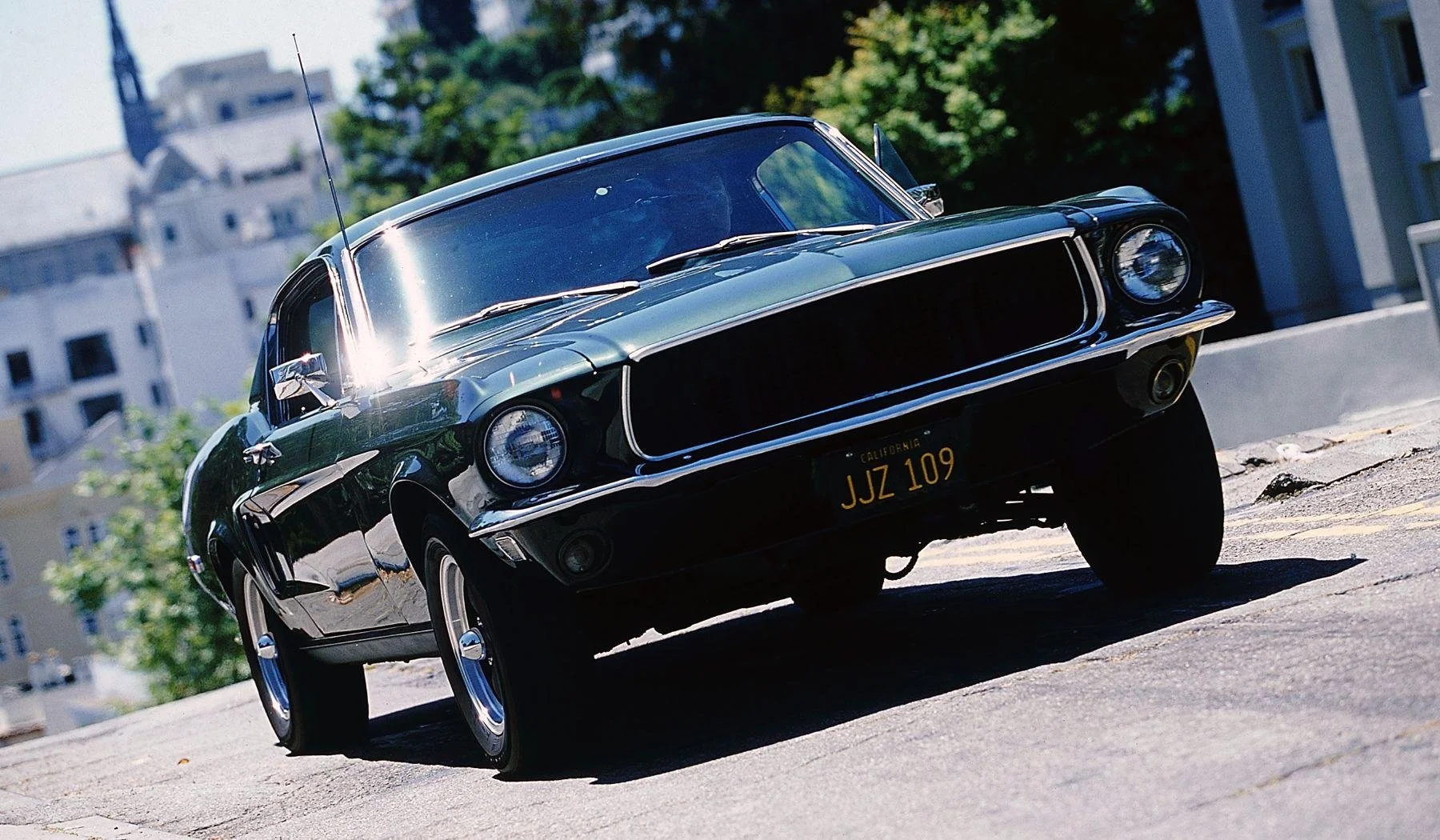
The Bullitt Mustang. Steve McQueen's 1968 Ford Mustang GT from Bullitt sold for $3.4 million at hammer — $3.74 million with fees — at Mecum's Kissimmee auction in 2020. It shattered the previous Mustang record of $2.2 million, and it did so on a car whose only real distinction from a standard Mustang GT is a documented, verifiable appearance on screen.
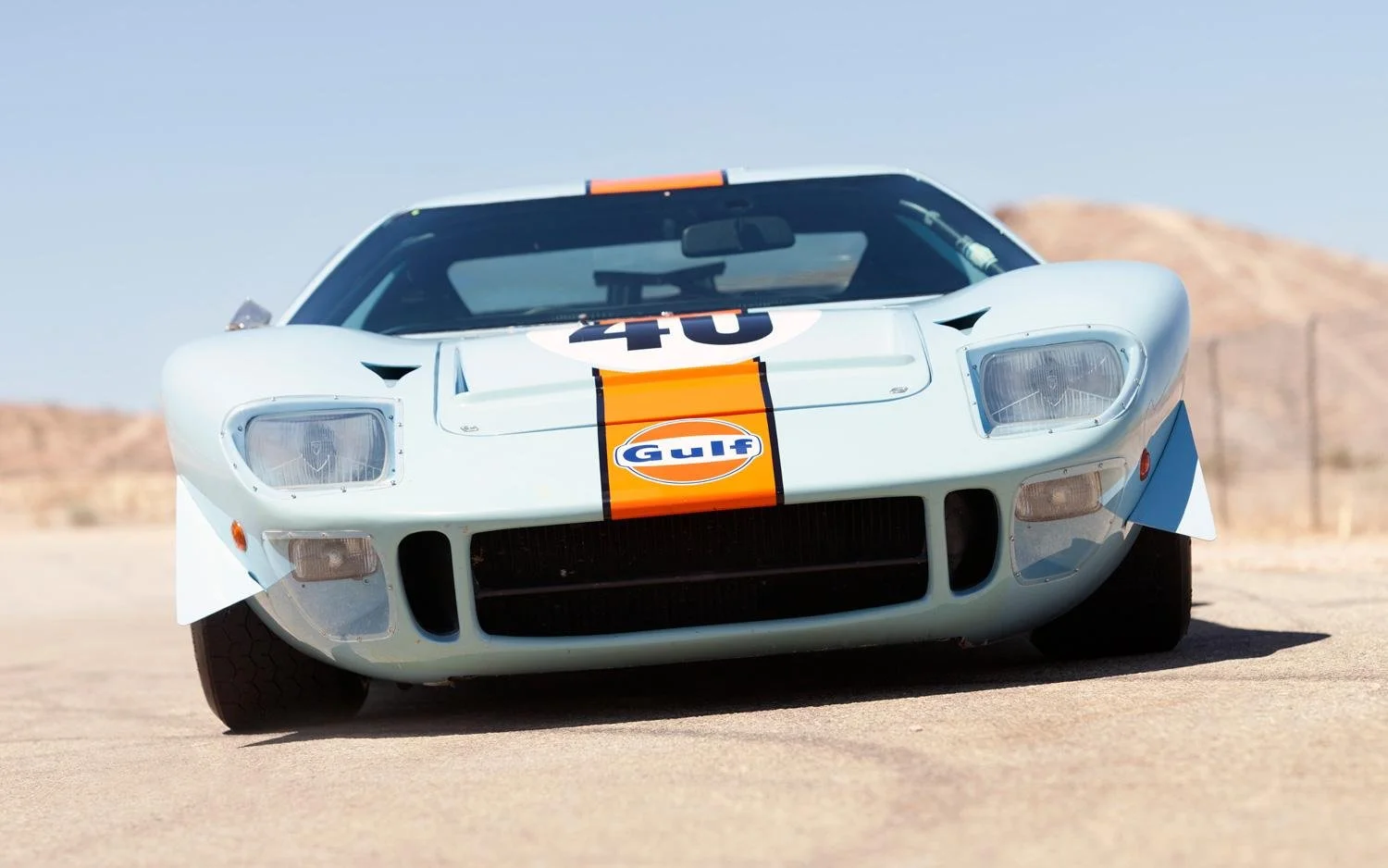
The Le Mans GT40. The Ford GT40 Gulf/Mirage that McQueen drove during the filming of *Le Mans* sold for $11 million at Monterey in 2012 — a record at the time for the most expensive American car ever sold at auction. An ordinary GT40 of similar spec, without the film history, has traded in the range of roughly $100,000.
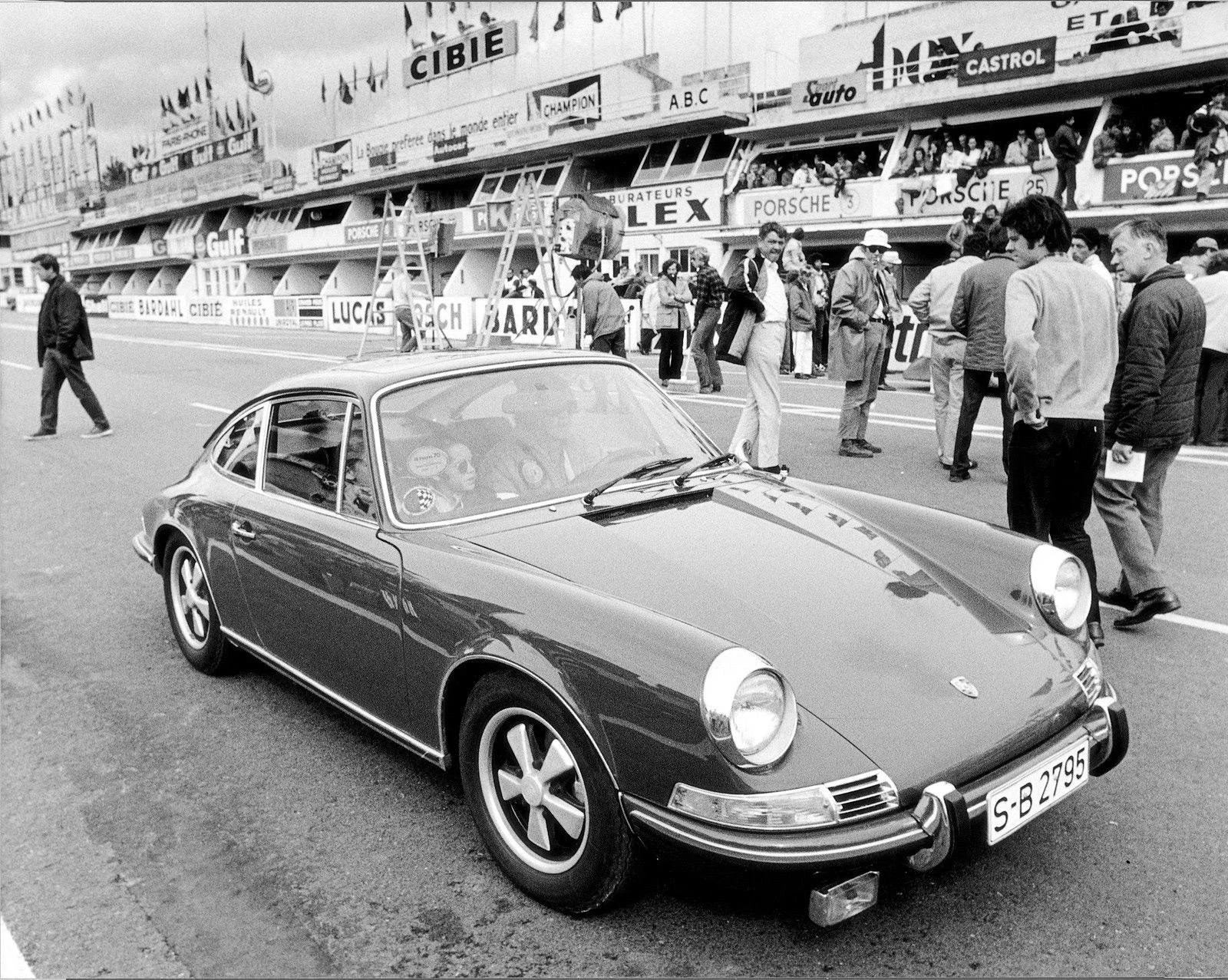
The Le Mans Porsche 911S. A 1970 Porsche 911S McQueen drove in the opening sequence of *Le Mans* sold for $1.375 million in 2011 — the highest price ever recorded for a 911 at the time. Comparable 911S examples without that pedigree were trading closer to $50,000.
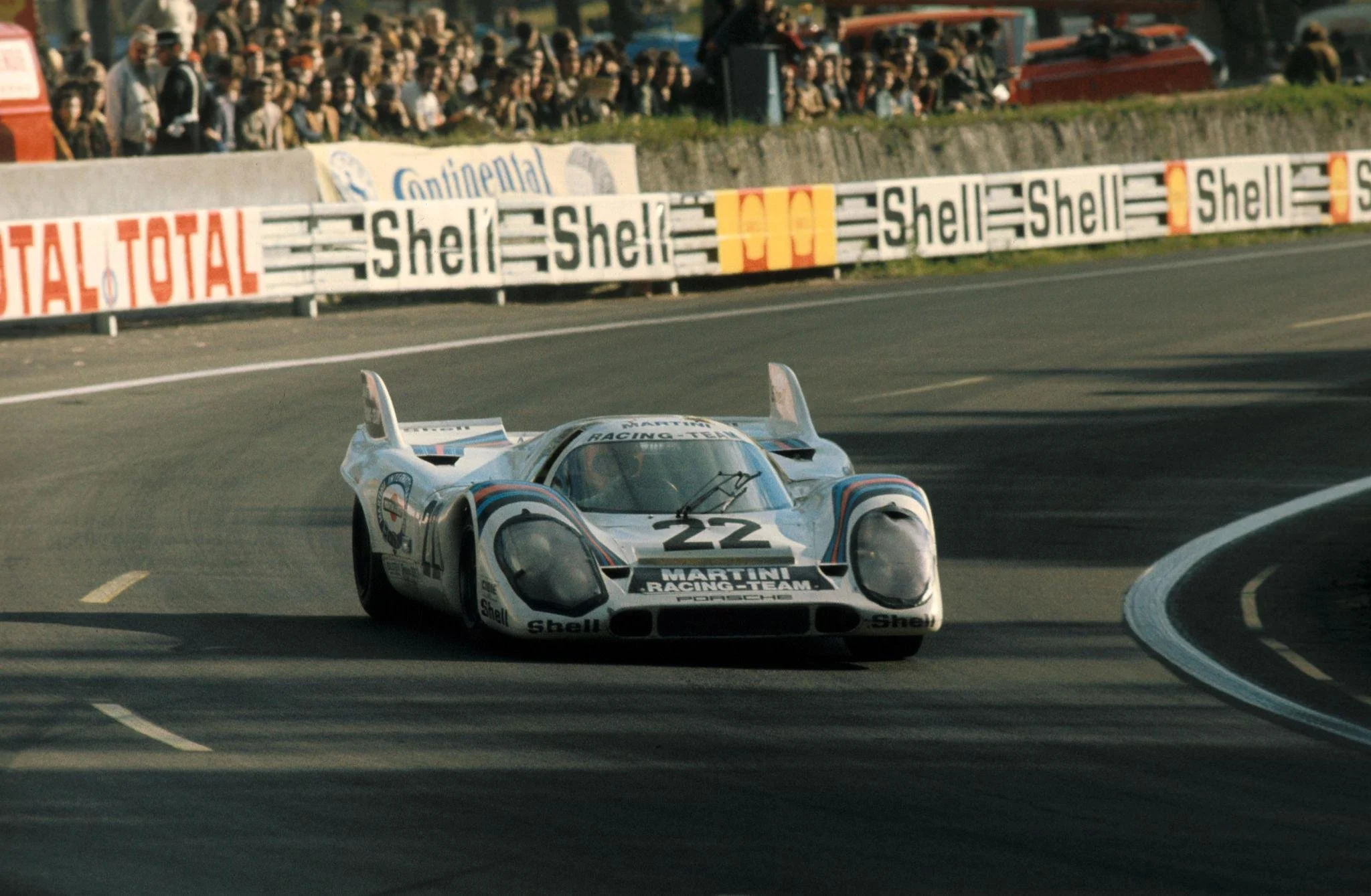
The 917K, and the market's discipline. Even the most famous provenance doesn't guarantee a sale at any price. The Porsche 917K McQueen drove in *Le Mans* drew a bid of $25 million at Mecum's 2025 Kissimmee auction and still didn't meet reserve. Serious buyers are pricing condition, originality, and the underlying car alongside the story — provenance sets the ceiling higher, it doesn't remove judgment from the room.
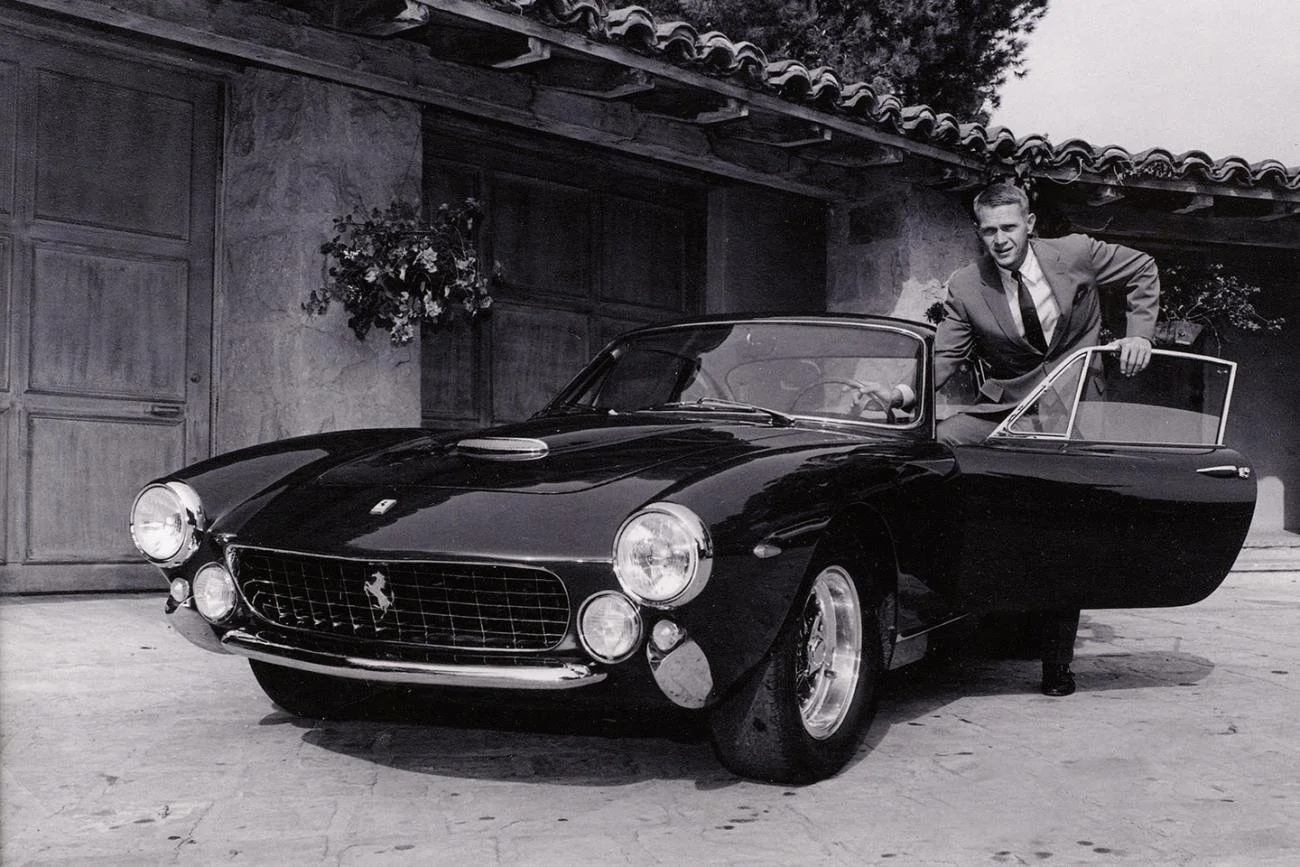
The McQueen Ferrari Lusso. His 1963 Ferrari 250 GT Lusso carried a pre-sale estimate of $800,000 to $1.2 million. It sold for $2.31 million at Christie's — nearly double the high estimate — on documented ownership and use alone.
Whatever it is, the way you tell your story online can make all the difference.
McKeel Hagerty, president of the collector insurer that bears his name, has been direct about this: celebrity or screen ownership doesn't automatically double or triple a car's value on its own. What these results show instead is that when the underlying car is right and the history is real and verifiable, the market consistently rewards it — sometimes modestly, sometimes dramatically.
The Point Is Not the Fee. The Point Is the Permanent Record.
If you don't need the income, the real value of a production placement isn't the payment for the day — it's what a credited, documented appearance does to the car's history file from that point forward. That file, alongside service records, restoration paperwork, and ownership chain, is exactly what serious collectors and appraisers look at when they're deciding what a piece is really worth, whether it changes hands next year or stays in the family for another generation.

This is how the world's most valuable automobiles have built their reputations — not through one moment, but through a documented history that compounds over time. Every verified placement becomes another permanent line in that record, one that outlasts the current owner and travels with the car to whoever takes it on next.
Protecting the Asset Is the Whole Point
Wanting to protect what you've built is the right instinct, and it's also the starting point for how this actually works. The car stays in private, fully insured keeping at all times. It's never on public display, never exposed to foot traffic it doesn't need. It moves only for the specific, closed production it's been placed in — straight from the garage to the set, and back. Nothing about its condition, mileage, or security is left to chance. The only thing that changes is that its story gets a little richer.A Decision About Legacy, Not Liquidity
At this point in a collection, most owners aren't thinking about what the car would fetch this year — they're thinking about what the collection represents, to family, to fellow collectors, to the history of these machines. A verified production credit isn't a marketing tactic. It's a real, provable addition to the story of a car that will likely outlive its current owner and pass on to whoever takes over as its steward next. The rarest cars aren't just the ones with the fewest surviving examples. They're the ones whose stories have been documented and verified the most thoroughly. Placing a car in the right production, handled with the right discretion, is one of the few ways left to add genuine, verifiable value to something that already commands respect — without altering it, without risking it, and without ever losing control of it. To discuss whether your automobile is a fit for an upcoming production, contact Alfina Astor directly at alfina@metromotion.com or +1 (917) 497-1178.
Auction figures cited above are drawn from public sale results reported by Mecum Auctions, RM Sotheby's/RM Auctions, and Christie's, and from Hagerty's published market commentary