

NYFW Is Coming: Is Your Venue Ready?
Preparing for New York Fashion Week requires more than securing a runway location. The right venue should support guest experience, production logistics, backstage operations, media requirements, brand presentation, and event execution under one roof. Fashion Week venues are increasingly evaluated based on flexibility, production infrastructure, accessibility, lighting conditions, circulation flow, VIP accommodations, and technical readiness.
For brands, agencies, and event producers planning Fashion Week activations, selecting a production-capable venue early can reduce operational risk, improve show efficiency, and create a stronger experience for guests, talent, press, and partners.
Fashion Week has evolved far beyond the runway.
Today’s shows function as live experiences that combine fashion presentation, media production, content capture, hospitality, influencer engagement, backstage operations, and branded storytelling. Whether producing a traditional runway, appointment-based showroom, collection launch, press preview, or immersive activation, the venue directly influences execution and audience perception.
As September approaches, securing a venue becomes one of the earliest and most consequential production decisions.
The most successful Fashion Week spaces are designed to support both creative ambition and operational performance.
What Makes a Venue Fashion Week Ready?
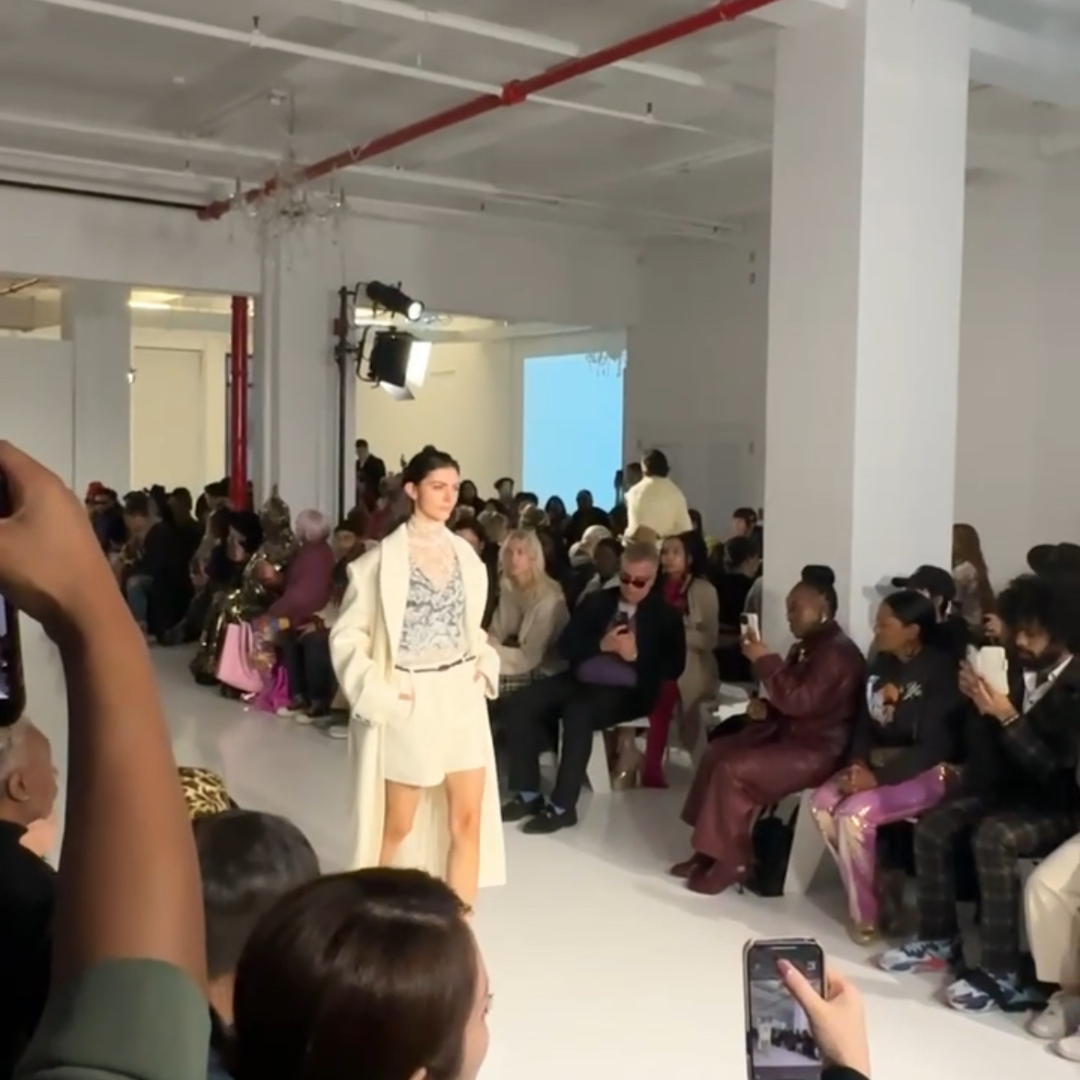
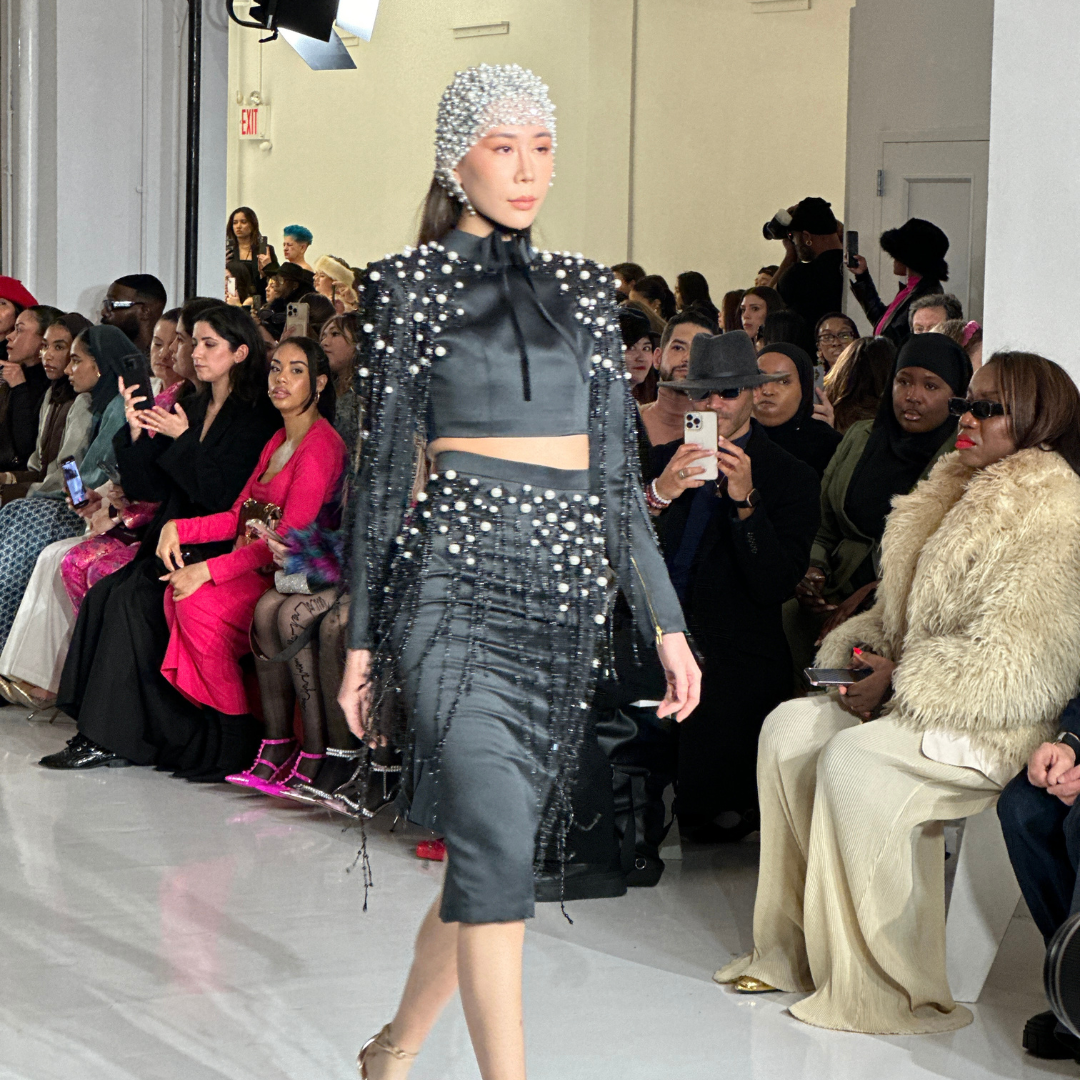
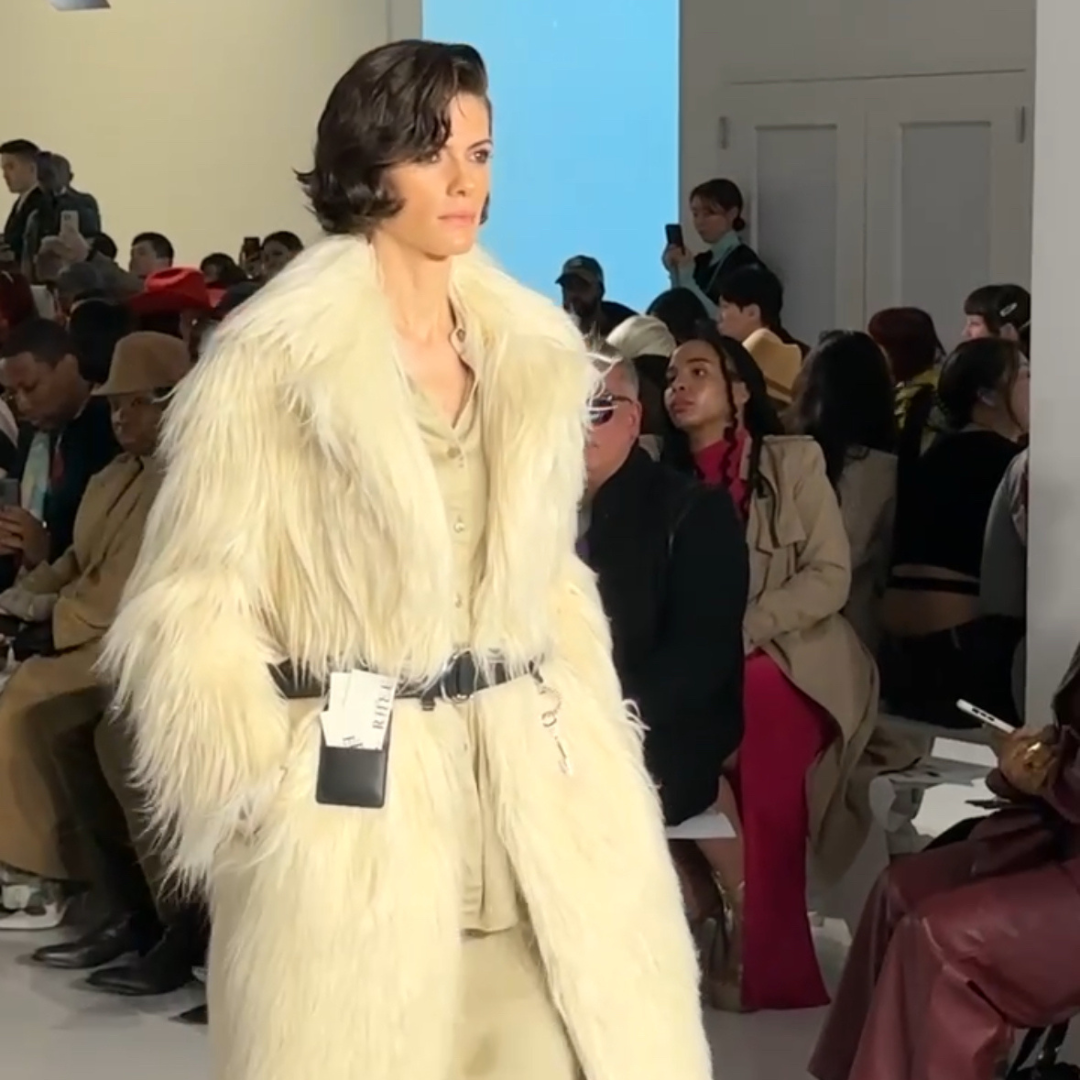
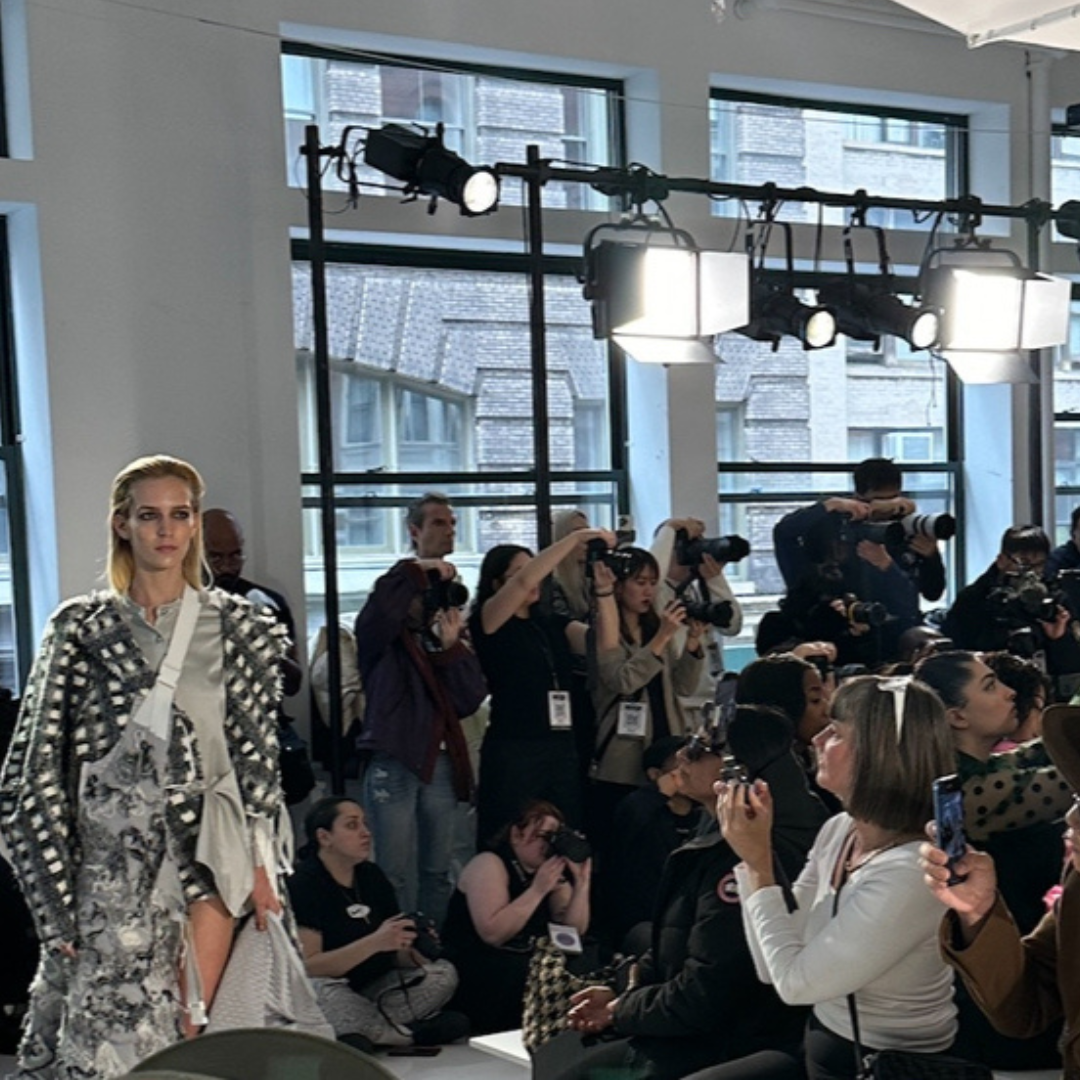
A Fashion Week venue must perform like both an event space and a production environment.
Key considerations include:
1. Flexible Layout and Scale
Fashion events require adaptable environments capable of supporting runways, seated presentations, backstage operations, sponsor integration, press zones, and guest circulation.
Look for:
Open floor plans
High ceilings
Flexible seating layouts
Multiple staging configurations
Capacity for changing production requirements
2. Production Infrastructure
A venue should support technical execution—not create limitations.
Production-ready features include:
Event infrastructure
Integrated A/V capabilities
Premium lighting systems
Rigging potential
Power access
Equipment movement logistics
3. Backstage Functionality
Backstage efficiency directly affects timing and presentation quality.
Prioritize:
Hair and makeup stations
Green rooms
Talent holding areas
Production coordination space
Crew support areas
4. Guest Experience
Fashion shows are brand experiences.
Evaluate:
Arrival sequence
VIP accommodations
Sightlines
Hospitality areas
Content capture opportunities
Traffic flow
Venue Planning Checklist for NYFW
Before confirming your venue, ask:
✓ Can the venue support runway construction?
✓ Is there adequate backstage and prep space?
✓ Does the venue accommodate media and content teams?
✓ Are A/V and lighting production supported?
✓ Is there space for VIP guests and sponsors?
✓ Can equipment be loaded efficiently?
✓ Does the venue support changing event formats?
✓ Is the location accessible for talent, guests, and vendors?
Why Space Design Impacts Fashion Week Success
The physical environment affects every stage of execution.
Natural light changes the atmosphere for presentations and photography.
Ceiling height determines creative possibilities.
Backstage organization impacts show timing.
Infrastructure influences guest comfort.
Production support determines operational efficiency.
A venue that supports these variables allows creative teams to focus on storytelling rather than troubleshooting.
A Fashion Week Environment Built for Modern Events
Daylight Studio is a premier photo, film, and event studio in Manhattan serving industry professionals since 1998.
For decades, the studio has supported runway shows, presentations, branded activations, showrooms, content production, and Fashion Week events.
Daylight Studio offers 20,000 sq. ft. across two Manhattan locations — 13,000 sq. ft. in Hudson Yards and 7,000 sq. ft. in Flatiron.
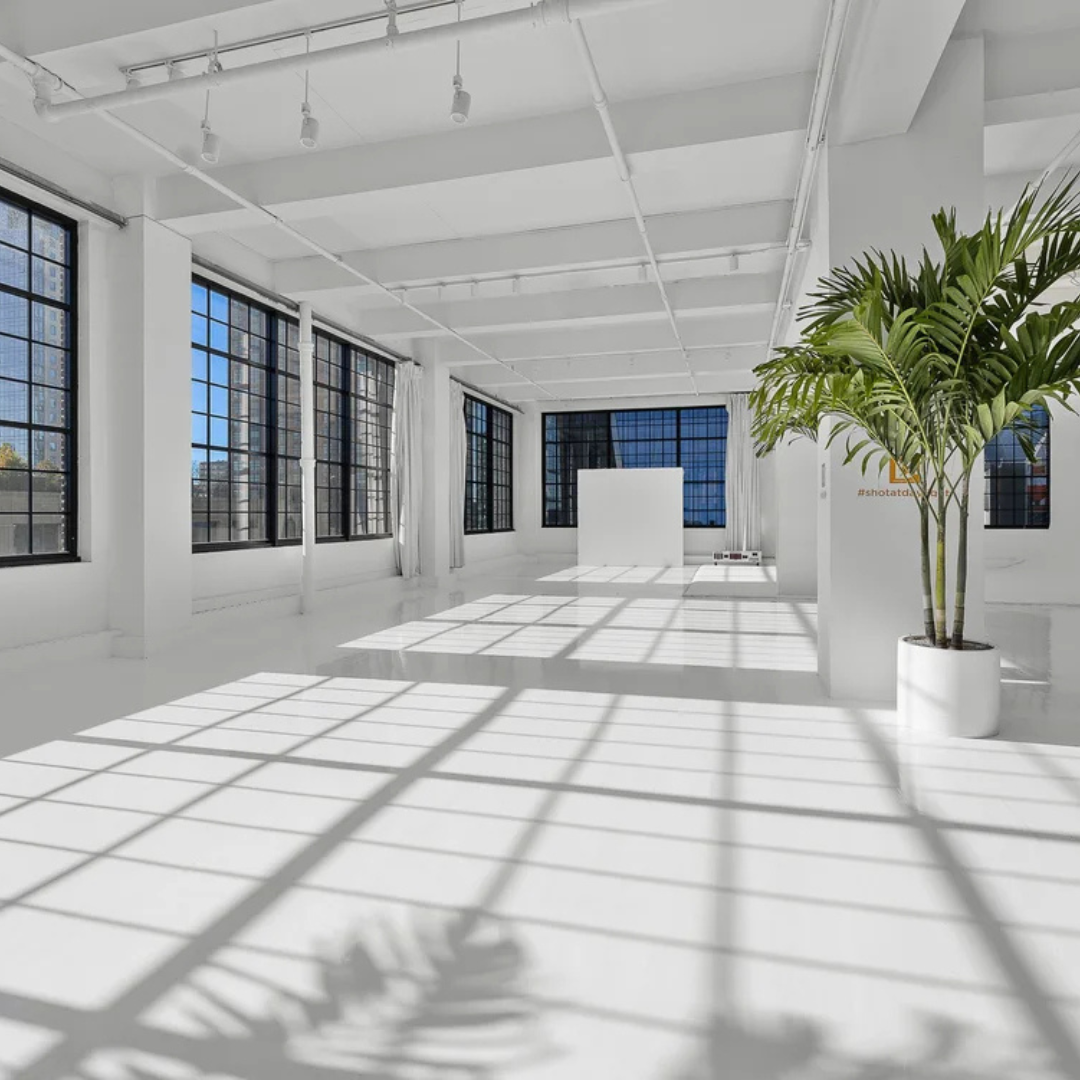
The spaces combine event functionality with production capability and can support a range of event formats.
Relevant features include:
High ceilings for runway design and lighting flexibility
Natural daylight for elevated guest experience and content capture
Event infrastructure for show execution
Hair and makeup stations for backstage preparation
In-house lighting, grip, and camera rentals
Extensive props department
Production support
Kitchen facilities for hospitality and catering
Rooftop and terrace access
These capabilities also position Daylight Studio as a Studio Rental NYC, NYC Production Studio, Fashion Production Studio NYC, Hudson Yards Studio, Manhattan Production Studio, and Premier NYC Showroom Space for brands producing both live experiences and content.
Because Fashion Week increasingly includes filming, interviews, branded campaigns, and social content, many teams also evaluate venues through the lens of a Production Studio Rental NYC, Video Production Studio NYC, Branded Content Studio NYC, Creative Production Space NYC, and Video Production Facility NYC.
Fashion Week success begins long before the first model steps onto the runway.
The venue influences production efficiency, creative possibilities, guest experience, and how a brand is ultimately experienced.
Selecting a venue designed to support both events and production can create meaningful advantages throughout planning and execution.
Contact us for inquiries
Email bookings@daylightstudio.com or call 212-967-2000.